

People often talk about a “bad trip.” Modern psychedelic research uses different words. It speaks of challenging experiences, and it logs adverse events in a set way. Research on challenging psychedelic experiences does not use these terms as self-help trip coaching. They name measurement tools and safety-reporting methods. Labs use them to describe what people feel in the moment, to compare protocols and to report risk across study groups. This article sums up how that literature is framed. It focuses on the Challenging Experience Questionnaire (CEQ) and recent meta-analyses of adverse events. It is for readers who follow Psilocybin fungi as a microscopy and history topic. It is science reporting. It is not integration advice, dosage guidance or a therapy claim. For related Mushly context on environment as a research idea, see why set and setting matters in research history and Timothy Leary’s set and setting. For the wider fungal timeline, see psilocybin mushrooms in history.

From Folk “Bad Trip” Language to Research Constructs
Wikipedia’s overview of a bad trip shows how the phrase entered everyday speech. It means a hard or upsetting reaction linked to psychedelic use. Clinical and survey papers see it differently. They treat difficulty as something you can list, score and compare. That shift matters when you read primary sources. A folk label folds many different feelings into one moral story (“failed journey” versus “breakthrough”). Questionnaires and adverse-event tables ask other questions. Which features appeared, such as fear, grief, physical discomfort or isolation? And under what study conditions were they recorded?
The same split shows up in histories of psychedelic therapy as a research and clinical tradition. Researchers record session difficulty and adverse events as part of their method. They are not lifestyle tips for consumers. Groups such as MAPS archive and advocate for clinical research programs. Their public materials help explain how trials talk about recording risk. None of that literature turns into shop-floor coaching on how to “navigate” a hard experience.
What the Challenging Experience Questionnaire Measures
In 2016, Barrett and colleagues at Johns Hopkins published the Challenging Experience Questionnaire in the Journal of Psychopharmacology. The paper builds and tests a tool to describe hard experiences with psilocybin mushrooms in the moment. Seven factors make up the scale: fear, grief, physical distress, insanity, isolation, death and paranoia. These labels are survey categories. They come from answers linked to earlier questionnaires. They are not a checklist for personal practice.
The authors present the CEQ as a basis for studying what predicts hard experiences, and what follows them, in research settings. In their analyses, factor scores related to rated difficulty, meaning, spiritual significance and reported changes in well-being. That language is about correlation. It is easy to misread as a promise that difficulty brings benefit. In a microscopy and history blog, the right reading is narrower. Researchers needed shared words so papers could compare how often, and how strongly, these features appear. Johns Hopkins’ public measures page still lists CEQ subscales among the tools used in that research.
Survey Evidence From Uncontrolled Contexts
A companion 2016 paper by Carbonaro and colleagues also appeared in the Journal of Psychopharmacology. It reported a large internet survey that looked back at people’s most difficult psilocybin-mushroom experience (Carbonaro et al., PMC5551678). Many people rated the episode as very challenging. Some described a risk of harm or seeking help. The authors clearly contrast these reports, from uncontrolled settings, with lab studies. In lab studies, people are screened, prepared and supported, and lasting risky distress is much rarer.
For science reporting, the key point about method is that contrast. Survey data and closely monitored lab protocols are not the same kind of evidence. Carbonaro et al. record links and what people say happened to them. They do not support dosage schedules, sitter scripts or claims that hard experiences reliably bring lasting benefit. Reading the paper as a source on adverse events and lived experience keeps Mushly’s teaching in line with research language, not consumption coaching.
Species, Strain Labels, and Microscopy—Not Trip Marketing
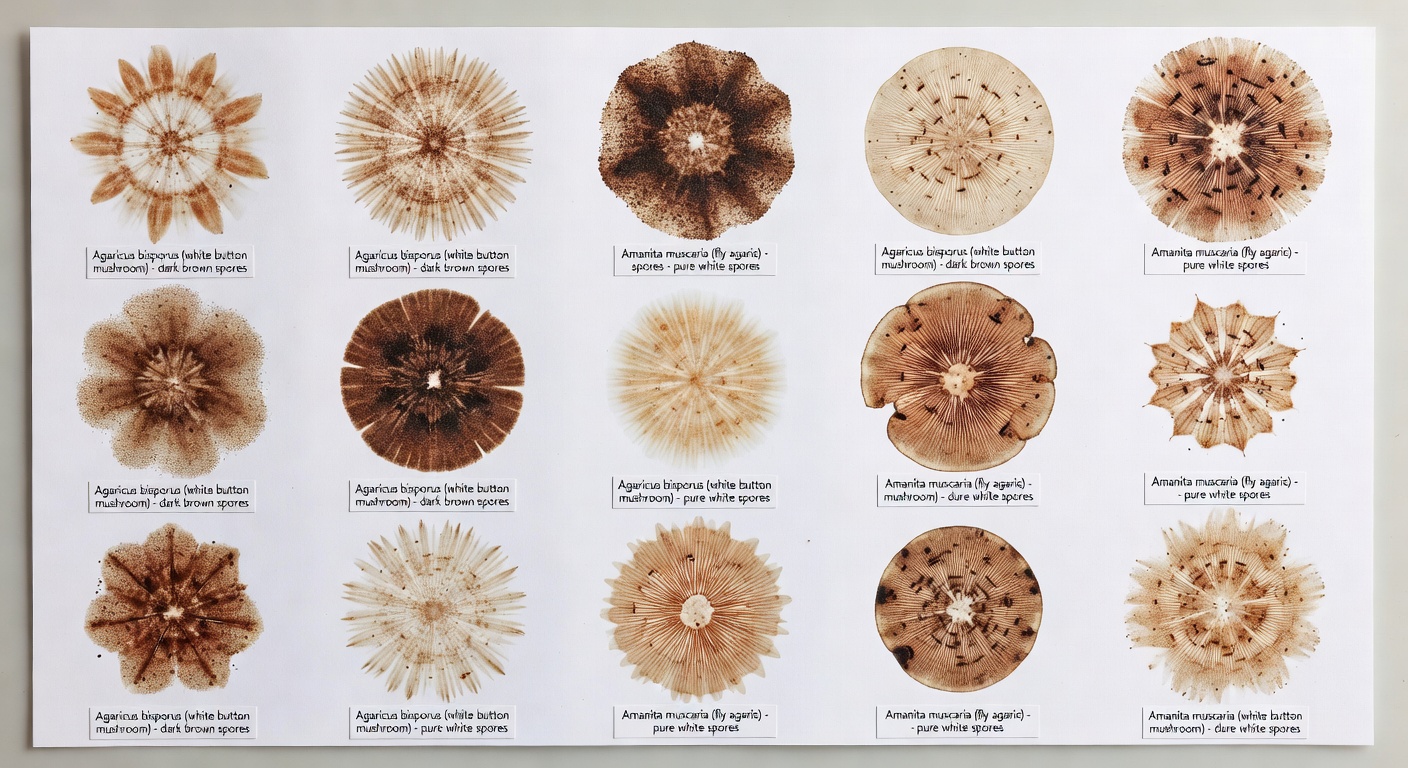
Psilocybe Cubensis is a species. Names such as Golden Teacher or Penis Envy usually mark cultivated varieties discussed in mycology communities. Under a microscope and in taxonomy, these labels help track form, spore traits and lineage talk. On their own, they do not support marketing stories that one variety guarantees a certain experience. Research on challenging experiences and adverse events is about human subjects and trial safety reports. It is not about ranking spore syringes by effect.
That split is useful for readers who browse Mushly’s mushroom spores pillar and the all-strains catalog. Interest in labeled research specimens sits beside curiosity about how clinical papers define difficulty. Linking a variety name to a promised “smooth” or “intense” journey is exactly the kind of overclaim that the CEQ and adverse-event literature does not support.

Why Labs Log Adverse Events: Recent Meta-Analyses
Two 2024 evidence reviews show how current papers treat adverse events as data for safety tracking and protocol comparison. Hinkle and colleagues published a systematic review and meta-analysis in JAMA Psychiatry. It covered adverse events across classic-psychedelic research studies (Hinkle et al., 2024). Among other findings, serious adverse events were rare in healthy volunteers in the literature they could analyze. But about four percent of participants with existing neuropsychiatric disorders had serious adverse events, in the data that could be pooled. The review also flags that adverse-event monitoring varied in quality. That is an important caveat when journalists or blogs sum up “safety” in one sentence.
Yerubandi and colleagues, writing in JAMA Network Open, ran a meta-analysis of short-term adverse events in randomized trials of therapeutic-dose psilocybin (Yerubandi et al., 2024). Compared with control, the pooled results showed a higher risk of short-lived headache, nausea, anxiety, dizziness and raised blood pressure. In that pooled set, psilocybin was not linked to paranoia or brief thought disorder. Again, the right takeaway for a shop is descriptive. Trial teams profile short-term events so protocols can be compared. It is not a consumer guide to “what you will feel” or how to manage discomfort at home.
Set, Setting, and Why Context Appears in Protocols
Mid-century researchers made “set and setting” popular. It was a way to talk about mindset and environment as factors that shape what people report. Modern trial teams still treat room design, monitoring and preparation interviews as part of the protocol when they study challenging experiences and adverse events. In Mushly’s history pieces, we explain this as research design. It is not a checklist for personal sessions. Linking the CEQ and adverse-event literature back to set-and-setting history and Leary’s formulation keeps the thread about history and method.
Carbonaro et al. contrast uncontrolled surveys with supported lab studies. That is one place where the historical insight comes back as a measured comparison. Labs record context because they treat it as a factor they can control, or at least report. That is a statement about how science is done. It is not an invitation to rebrand hard moments as guaranteed breakthroughs.
Reading the Record Without Overclaiming
Put the four core sources side by side and you get a clear story about method. Barrett et al. (2016) give a tested tool and seven factors. Carbonaro et al. (2016) show how hard episodes look in a large uncontrolled survey. They also show how those reports differ from screened lab conditions. Hinkle et al. (2024) and Yerubandi et al. (2024) sum up adverse-event patterns and the limits of monitoring across research and trial data. Together they explain why papers prefer “challenging experience” and structured adverse-event logs over vague “bad trip” slogans.
What these sources do not support is therapy outcome promises, dosage advice, cultivation instructions, sitter or integration coaching, or claims that lasting benefit follows from hard sessions. Those topics are outside Mushly’s microscopy and research-education focus. For the full detail, open the PMC and JAMA Network articles linked above. Overviews from MAPS and Wikipedia’s psychedelic-therapy history pages can help with the timeline. They do not replace the papers.
Interest in Psilocybe taxonomy, spore microscopy and the history of psychedelic research can sit side by side without turning into trip coaching. Pair this page with Mushly’s mushroom spores guide and the all-strains catalog for labeled research specimens. For the cultural and scientific timeline, see psilocybin mushrooms in history.
Mushroom spores are sold strictly for microscopy and research purposes only. Growing psilocybin-containing mushrooms is illegal under U.S. federal law and in many places worldwide. Check local rules before you buy research specimens.


