

“Set and setting” is one of the most quoted phrases in the modern history of psychedelic research. Set and setting in Psilocybin research names a simple claim that mid-century researchers made explicit. What people report from a psilocybin session, in studies and first-person accounts, is shaped by more than the compound. It is also shaped by set (the person’s inner state—expectations, mood, preparation, fears and intentions) and setting (the physical, social and cultural surroundings). This article traces that idea from Timothy Leary and the early-1960s Harvard Psilocybin Project to today. We show how clinical teams now treat the environment as a controlled research variable. This is history and research context for readers interested in psilocybin fungi and mycology culture. It is not a session guide, a dosage chart or a therapy promise. For related Mushly reading, see the profile of Timothy Leary, the companion piece on Timothy Leary’s set and setting, and the wider survey of psilocybin mushrooms in history.

Origins with Leary, Alpert, and Metzner
Timothy Leary and colleagues made “set and setting” popular. They included Richard Alpert (later known as Ram Dass) and Ralph Metzner. At the time, in the early 1960s, they were running psilocybin research linked to Harvard. Historians and encyclopedias credit Leary with turning a growing awareness of non-drug factors into a clear, memorable framework. Britannica’s biography of Timothy Leary places that period within his wider career. A 1961 APA paper, often titled Drugs, Set & Suggestibility, is often cited as an early published use of the slogan. The framework was then built out in psilocybin work done in supportive settings. It reached the wider public through The Psychedelic Experience (Leary, Metzner & Alpert, 1964) and Metzner & Leary’s 1967 essay in Psychedelic Review.
Ido Hartogsohn wrote a peer-reviewed history, “Constructing drug effects: A history of set and setting” (Drug Science, Policy and Law, 2017). It shows how the phrase took shape. It also notes what came before: ritual practices, and 1950s therapists who already paid attention to expectation and environment. Leary did not invent the insight from nothing. He named it clearly enough that later researchers and critics could argue with it. To read the authors’ own words, see the MAPS-archived PDF of Metzner & Leary’s “On Programming Psychedelic Experiences” (Psychedelic Review 9, 1967).

The Harvard Psilocybin Project as Institutional Context
The Harvard Psilocybin Project (roughly the early 1960s) became a flashpoint. It mixed academic interest in psilocybin, growing publicity and, in the end, conflict with the university. Harvard’s student newspaper later looked back at that history in “At Harvard, Psychedelic Drugs’ Tentative Renaissance” (2022). It tells the story of the project and how set-and-setting language traveled with it. Wikipedia’s overview of the Harvard Psilocybin Project is a handy map of names, dates and controversies. Use it to get your bearings before you read the deeper histories.
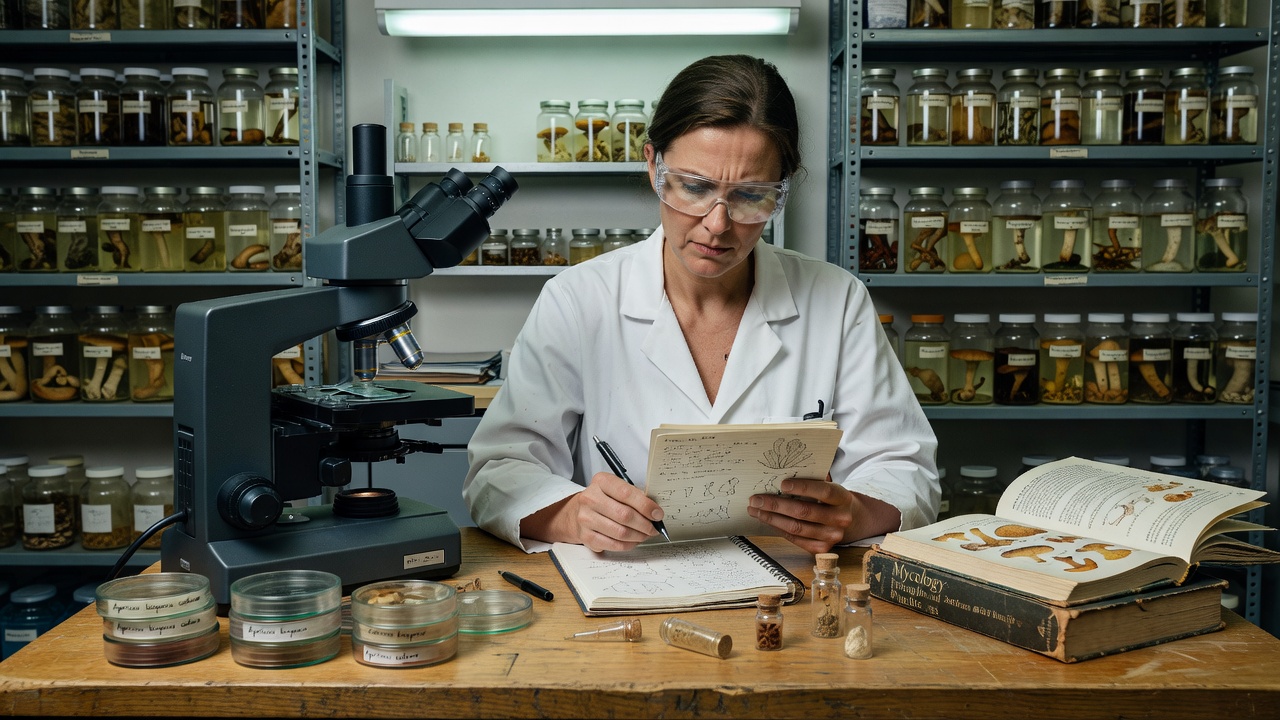
Why does this matter to a microscopy shop? The story shows how science learned, sometimes messily, that reported effects are not pure pharmacology. Interest in labeled Psilocybe material for taxonomy and microscopy sits next to curiosity about how these fungi entered Western research. Mushly’s mushroom spores guide keeps the product side focused on research specimens. The set-and-setting debate explains why session reports in the literature vary, even when the chemistry looks the same on paper.
What “Set” and “Setting” Meant in Early Writing
Later writers took their terms from the Harvard era. There, set pointed inward. It meant personality, preparation, intention, mood, expectations, and the fears or wishes someone brought into a study. Setting pointed outward. It meant the room, the social and emotional climate, and wider cultural beliefs about what the substance was meant to do. These are historical terms. They are useful for reading 1960s papers and later clinical protocols. They are not a checklist for personal use.
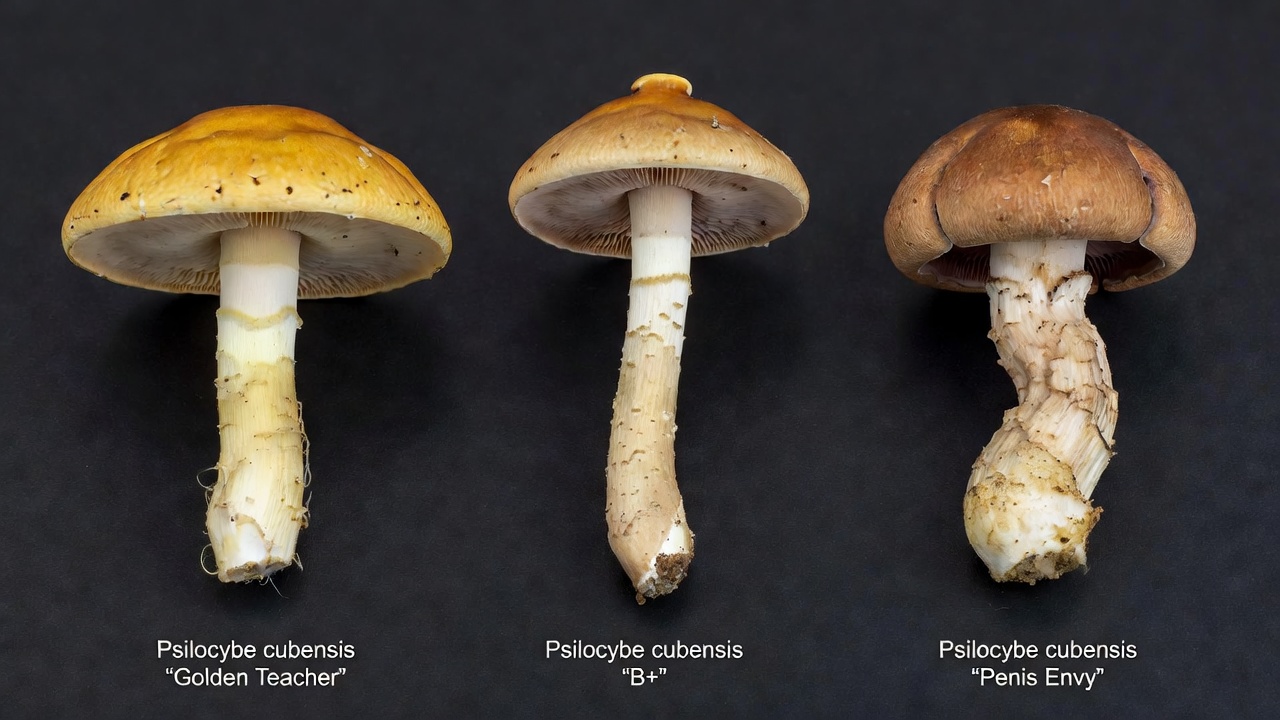
Early authors saw set and setting as shaping what people reported. So they wrote as much about environment and expectation as about the molecule. That helps explain why both mid-century accounts and modern trial reports sound different from vendor marketing that treats a strain name as destiny. Species and informal strain labels still matter in mycology. Psilocybe Cubensis is a species. Names such as Golden Teacher describe lineages that collectors and microscopy buyers talk about. These labels help sort form and source. They do not remove the context factors that historians of psychedelic research have tracked for decades. Browse Mushly’s strain catalog to keep names straight while you read history. Do not treat any label as a scripted experience.
From Counterculture Slogan to Research Design
After the Harvard controversies, “set and setting” moved into counterculture language. Later it came back into regulated clinical research. The link is the idea itself: if context shapes reports, then trials that ignore context add uncontrolled noise. Groups such as the Multidisciplinary Association for Psychedelic Studies (MAPS) have long archived the primary literature, including the Metzner & Leary Psychedelic Review piece. So historians and clinicians can see how the words evolved, rather than rebuild them from slogans.
Modern academic centers treat the session room as part of the protocol. Take the groups linked to Johns Hopkins’ psychedelic research program, described in public at hopkinspsychedelic.org. They are widely known for rooms that look like a living room. There is a couch or daybed, eyeshades, chosen music over headphones, and trained monitors present the whole time. These are research-design choices. They aim to standardize an environmental factor that earlier writers had already flagged as powerful. They are not DIY instructions or promises about personal outcomes. Seeing them as protocol keeps the topic within the history of science and clinical method.
Why Microscopy Readers Still Encounter the Phrase
People who buy microscopy-grade spores often see “set and setting” in popular articles. These often blur history, clinical news and personal advice. Keeping those layers apart protects accuracy. The historical claim is modest and well documented. Leary’s circle made context an explicit variable. Later trial teams put that into practice with room design, music and monitoring. The microscopy claim is separate. Spore form, taxonomy and records under a microscope do not need consumption coaching, and should not be sold with it.
That split also cuts through marketing noise about strain “personalities.” Informal strain talk can help track lineages discussed in mycology communities. But the history of set and setting is exactly the literature that warns against treating a label as a guaranteed story. Mushly links species ID work to its mushroom spores pillar and the all-strains catalog. That keeps the shop’s teaching focused on research specimens, not session stories.
Reading the Record Without Overclaiming
Read Hartogsohn, the 1967 Metzner & Leary essay, the Crimson look-back, and the MAPS and Johns Hopkins pages together. They show one clear arc: ritual and therapy roots → the Leary-era slogan and the Harvard conflict → recovery by archives and scholars → clinical protocols that treat environment as something to control. What that arc does not support is dosage advice, medical claims, cultivation methods, or personal “how to have a better journey” coaching. Those topics are outside Mushly’s microscopy and history focus.
For more on his life, pair this page with Mushly’s Timothy Leary article and Timothy Leary’s set and setting. For the wider fungal timeline, see psilocybin mushrooms in history. The primary and secondary sources linked above are still the best check against slogan-only summaries.
Mushroom spores are sold strictly for microscopy and research purposes only. Growing psilocybin-containing mushrooms is illegal under U.S. federal law and in many places worldwide. Check local rules before you buy research specimens.


