

Mushroom spores are the starting point for many microscopy projects. Researchers study them to learn about form, surface features and basic cell structure under magnification. People often ask: do mushroom spores contain Psilocybin? The question comes up a lot because it touches both science and the law. Spores are reproductive units. They lack the metabolic pathways that are active in later growth stages. This matters when you think about what a slide actually shows. A clear grasp of it keeps research on traits you can see, not guesses about chemistry. The sections below cover what spores are made of and how they differ from other fungal tissue. They also review the legal side and give practical steps for keeping records. Always check current local laws before you buy or handle any samples.
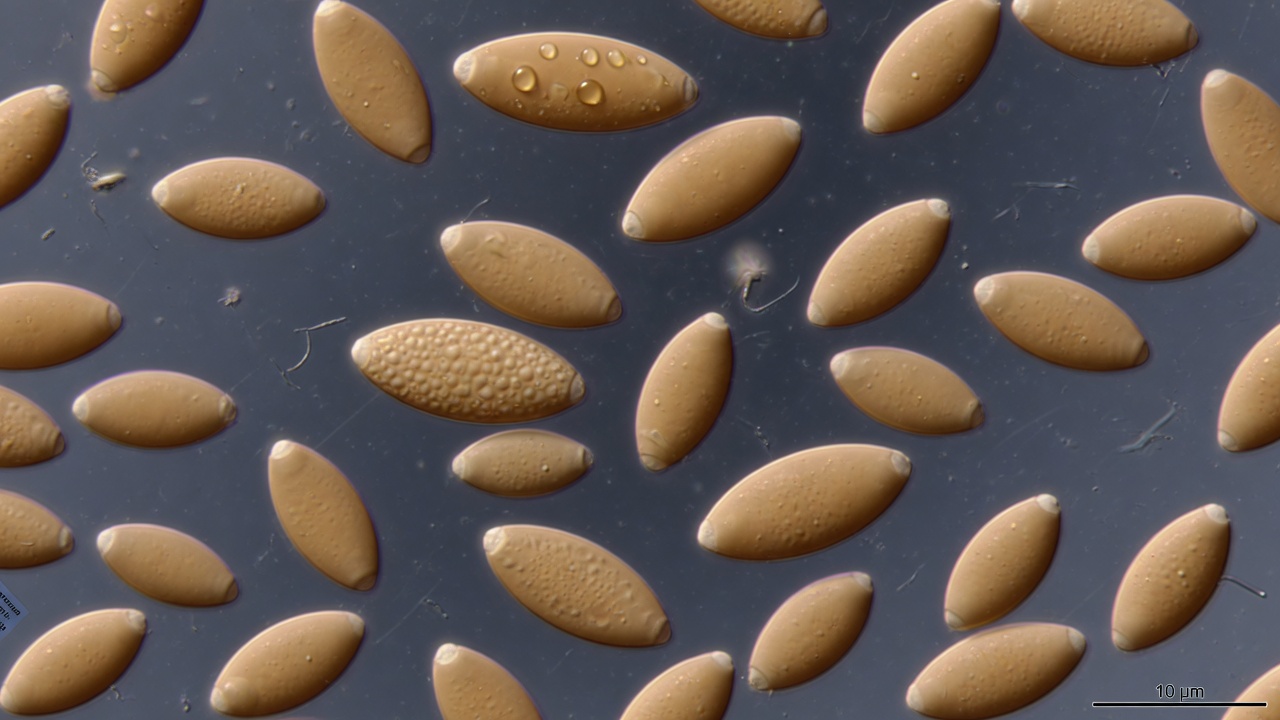
Basic makeup of a spore
Under the microscope, a spore looks like a compact package with a tough outer wall. Inside are genetic material and small stored reserves. That is enough to support germination when conditions allow. It is not the complex chemistry found elsewhere in the fungus. Most visible details are shape, size range and wall texture. These traits vary by species. They give useful points for comparing different labeled lines. No active compounds are part of the structures researchers measure on a slide. Notes usually record the magnification, the symmetry you see and any color from the mount. Short entries are easier to review later and keep out unrelated details.
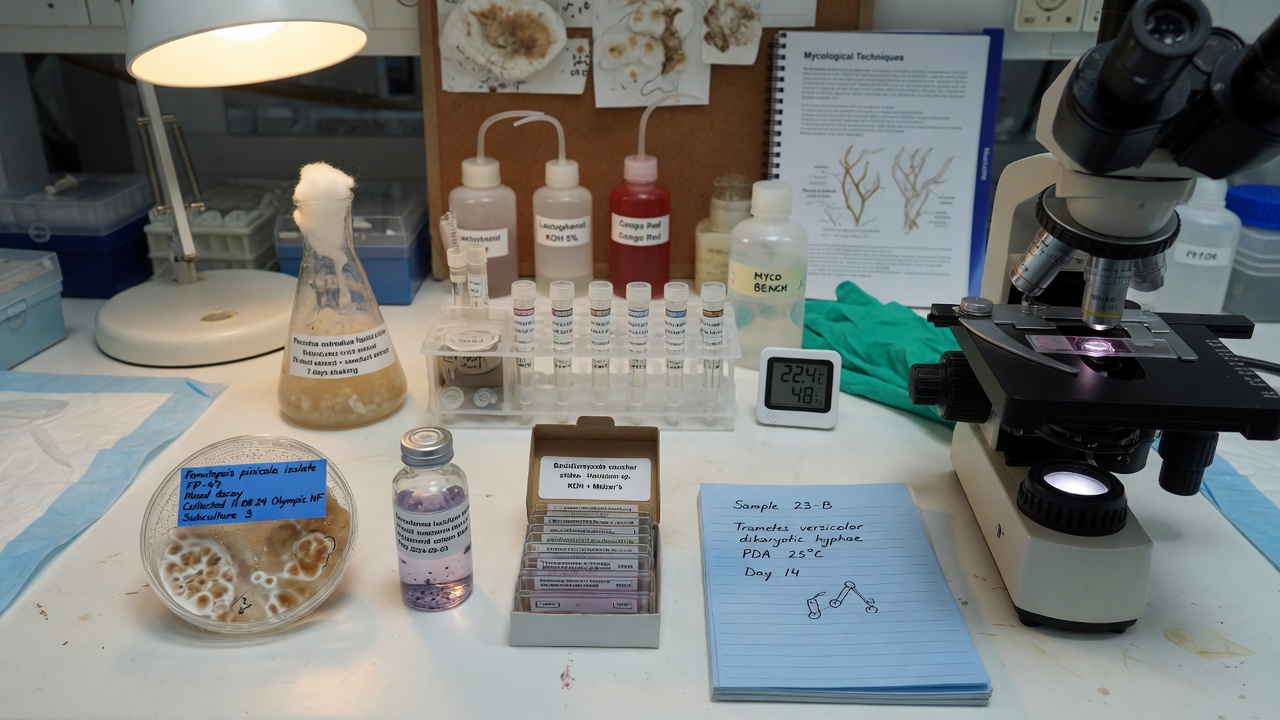
Where active compounds appear in the life cycle
Psilocybin and related molecules form as the mycelium grows. They become concentrated in the fruiting bodies. Spores form on the surface of mature gills or pores. They do not carry measurable levels of these compounds. This is because spores are made after the main work of building tissue is done. When you prepare a sample, the slide shows only the dormant stage. This timing explains why legal definitions often treat spores differently from other fungal material. Researchers note the difference in their notebooks so it is clear what each prep represents.
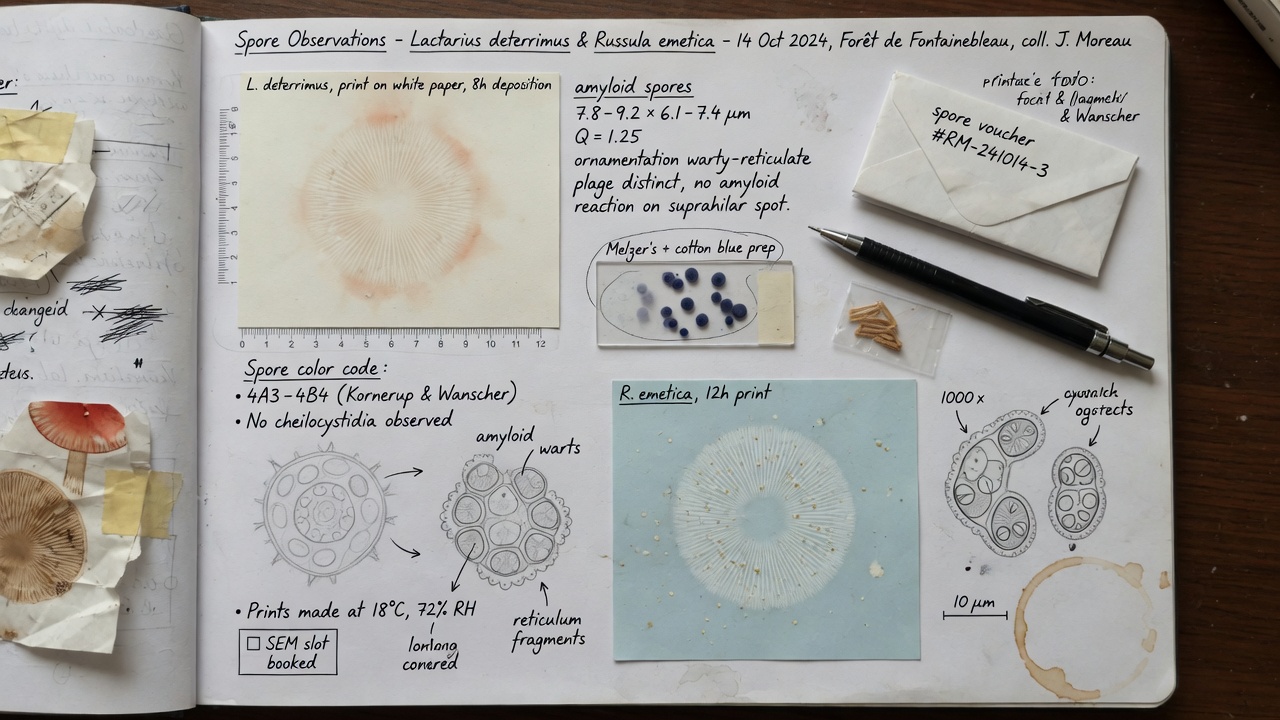
Legal lines drawn around spores
Many jurisdictions treat spores apart from active material, because spores contain no controlled substances. This leaves a narrow window for microscopy and taxonomy work. Laws still differ widely. Some regions regulate possession no matter what the content is. Checking the laws directly is the only reliable step. When you source samples, suppliers usually state clearly that the items are for research only. Record the supplier’s statement and the date you received the item. That adds a useful layer to any project log. The focus stays on visible traits, not any other use.
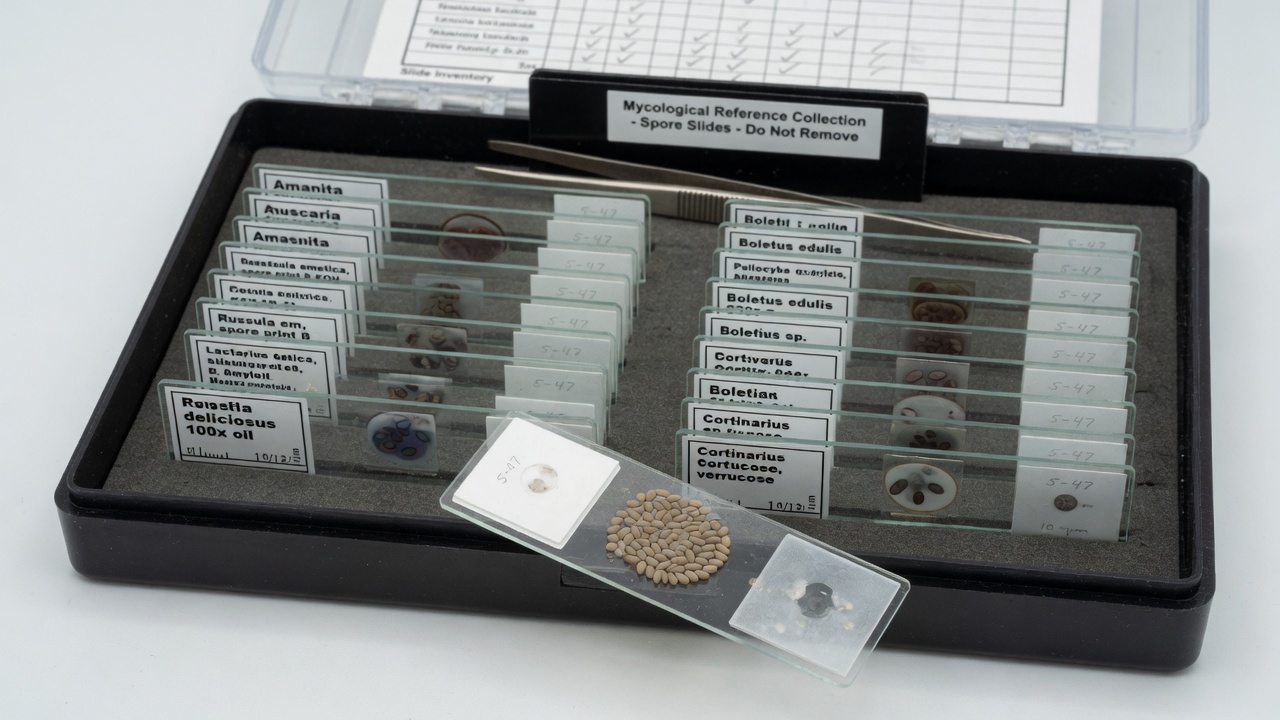
Setting up a research notebook
A simple notebook entry starts with the labeled line name, the date viewed and the magnification. Next, note the spore outline, wall thickness and any surface detail you can see at that power. Sketches or photos help you track consistency across several slides. Separate sections for each species keep comparisons simple. Do not mix notes about chemical content with notes on form. Clean records help later and reduce the chance of misreading when you share findings with other researchers.
Common questions during first examinations
New users often wonder how much spores that look alike can vary. In practice, differences within one species are subtle. You need side-by-side mounts to compare them reliably. Lighting angle and mount medium can change how color or edges look. Using the same prep method for every sample reduces variables. When legal questions come up, the notebook can point to the supplier’s research-only statement. There is no need to add outside commentary. This keeps the focus on the slide itself.
Understanding the separation between spores and active fungal tissue supports responsible microscopy work. Mushroom spores are sold strictly for microscopy and research purposes only. The cultivation of psilocybin mushrooms is illegal in many jurisdictions.


