

Can spores go bad? Many people assume spore samples stay the same forever once prepared. Yet under the microscope, they often show slow shifts in look and clarity. This article looks at how spore samples change over long periods. It also covers what that means for research records. The focus stays on what you see on the slide, not any other use. Researchers track these changes with steady note-taking and repeated viewing sessions. Light, temperature swings and container seals can affect how spores look months or years later. Knowing these patterns helps you keep more accurate records of each labeled line. The goal is reliable comparison between samples viewed at different times. You will learn practical ways to log visible traits like color density, clumping and wall definition. This supports long-term study without assuming samples never change.
Observable Changes Under Magnification
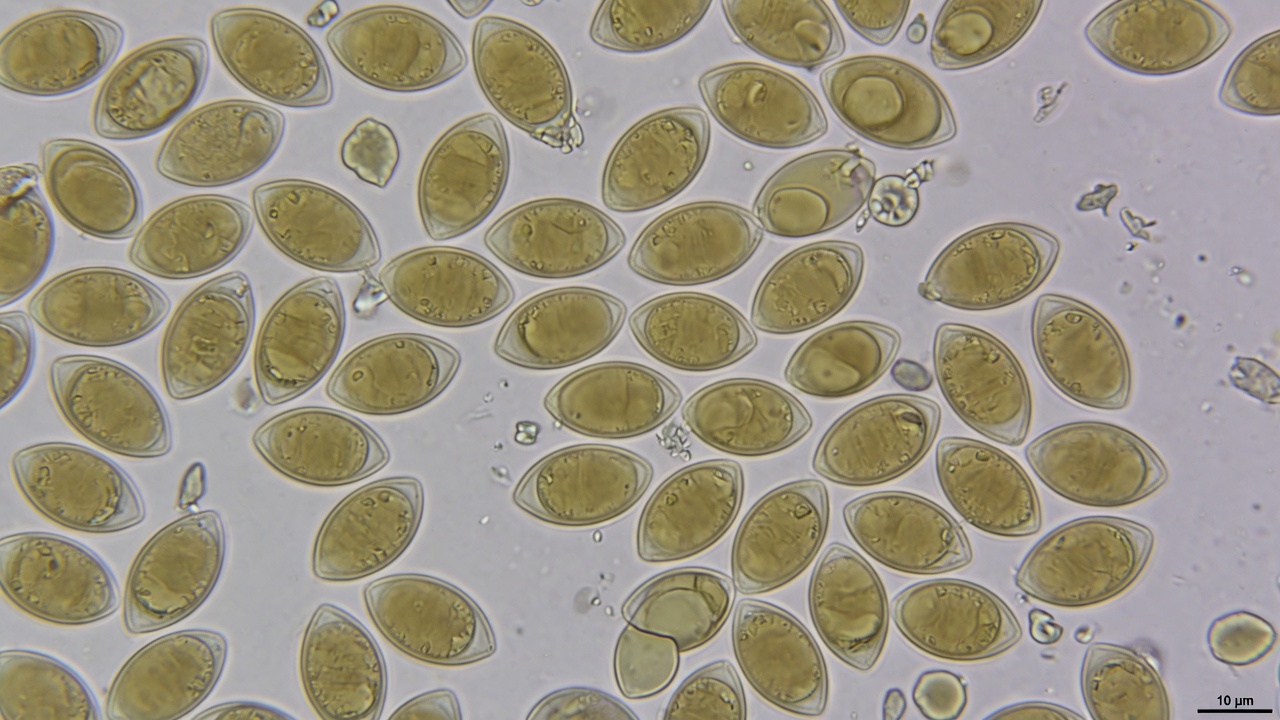
After long storage, spore walls can lose their crisp edges. That makes single shapes harder to measure. Color may fade from deep purple-brown to lighter tones. Record this by comparing with earlier notebook entries. Clumping often increases. So note how many spores appear alone and how many in groups on the slide. These changes do not follow a fixed timeline. They vary by species and prep method.
Repeated checks at the same magnification help you track the trend. Use the same light source each session so you do not mistake shadows for changes in structure. Record the date of each observation with the slide reference number for easy cross-checking later.
Keeping Accurate Research Records
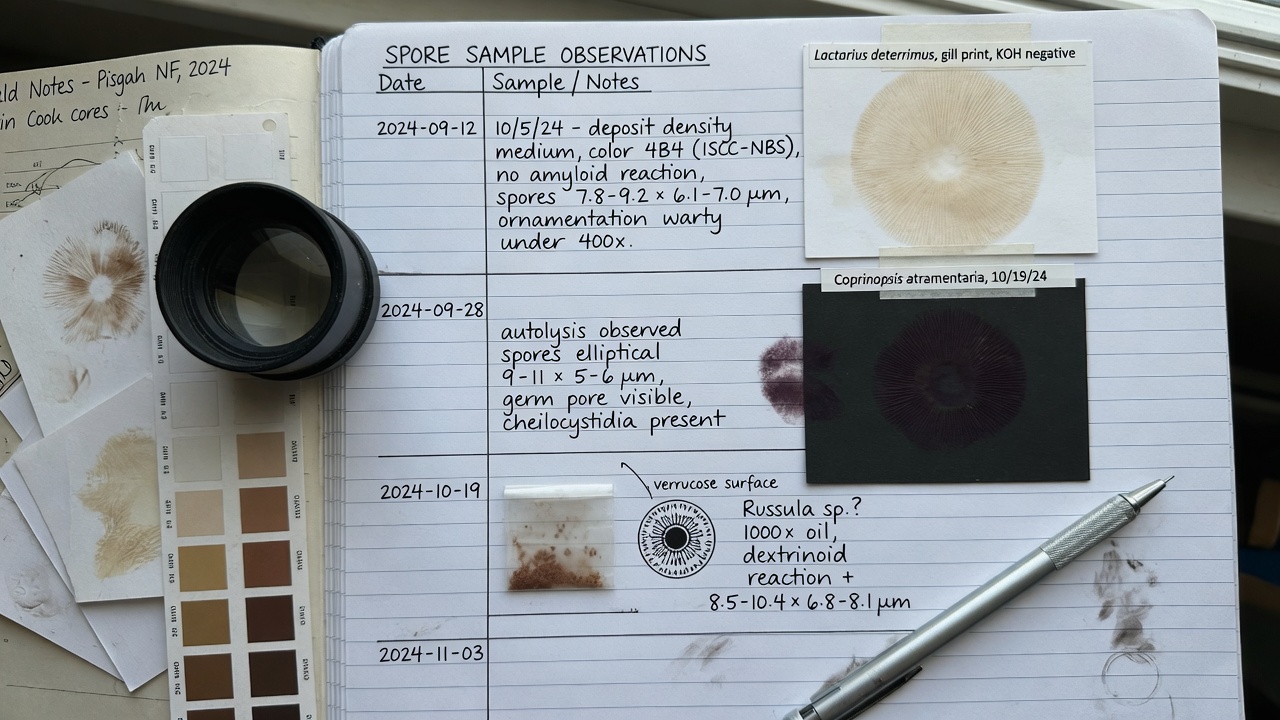
A simple notebook entry includes the strain trade name, prep date, where it is stored and how the slide first looked. Add columns for later observations so you can spot trends without guessing. Include slide thickness, magnification and any visible debris that might affect clarity.
Label every slide with a unique code that matches your log. This prevents mix-ups when you pull several samples for side-by-side viewing. Review entries every quarter to refresh your memory of earlier conditions before new comparisons.
Common Myths About Sample Stability
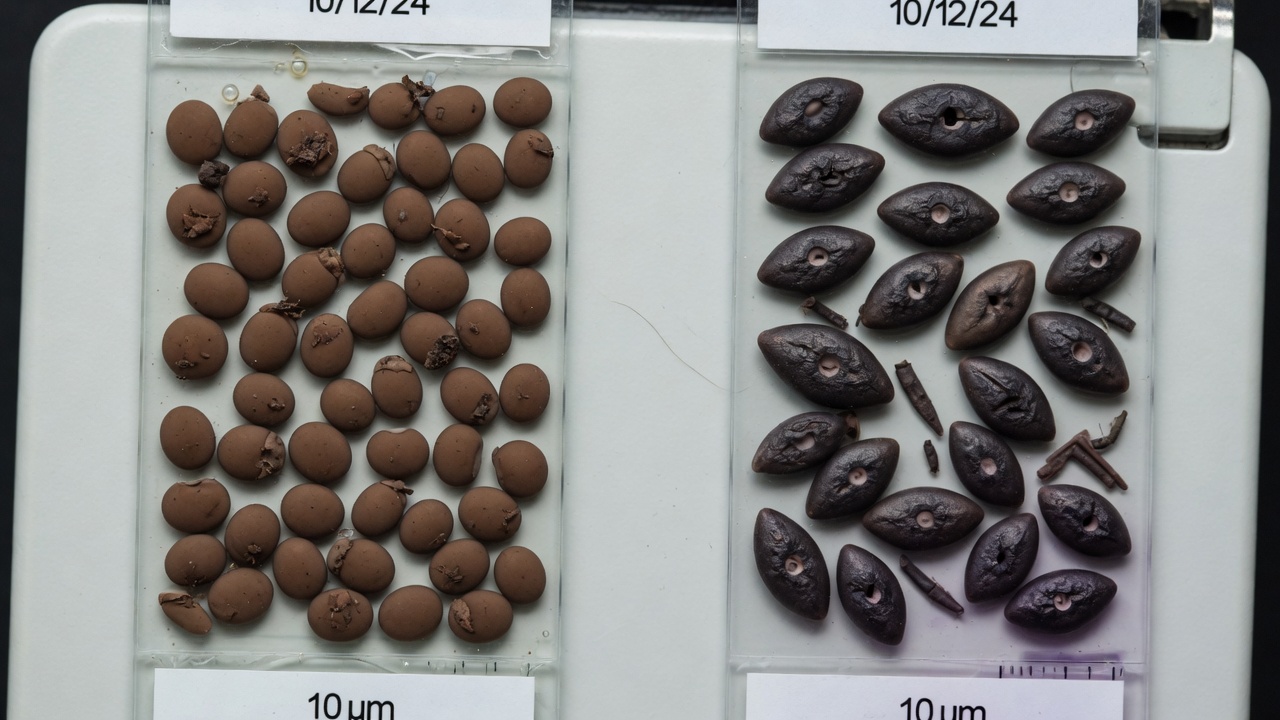
The idea that spores stay identical forever ignores how conditions slowly change their look under the microscope. Light and humidity can speed up changes in how thick the wall appears, even when containers stay sealed. Many researchers find that older samples need different lighting angles to show the same features seen in fresher ones.
To test this yourself, prepare duplicate slides from the same print or syringe at different times. Viewing them side by side quickly shows whether the idea of permanence holds up.
Practical Documentation Techniques
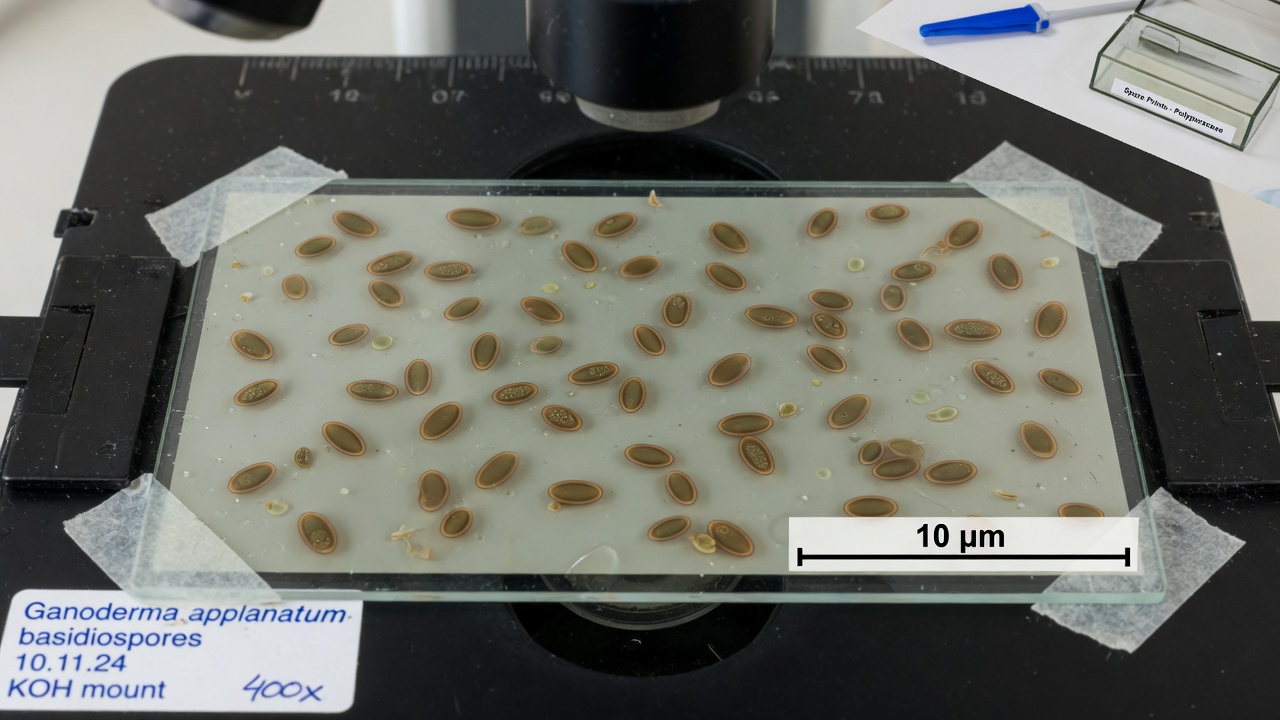
Photograph slides at set intervals with the same camera settings. Include a scale bar in each image. Name the photo files the same way as your notebook entries. This builds a visual timeline that supports your written notes without replacing them.
Keep a separate section in your records for oddities, such as sudden color shifts or more background particles. These notes become useful later when you review several labeled lines for patterns across storage conditions.
Comparing Samples Across Time
Place an older slide next to a newer one from the same labeled line at the same magnification. First note differences in edge definition and inner density. Then look at how spores are spread across the slide. Record which features stay the same and which vary most.
This method gives a clearer picture of how each trade name changes over months. It also helps you decide which samples are still reliable references for future sessions. See the mushroom spores for microscopy guide for more on sample handling basics.
Consistent observation and record-keeping reveal that spore samples do change over time in ways visible under the microscope. Tracking these shifts improves the quality of your research notes and supports more accurate comparisons between different labeled lines. Mushroom spores are sold strictly for microscopy and research purposes only. The cultivation of Psilocybin mushrooms is illegal in many jurisdictions.


